Fighting Technofascism

Fighting Technofascism

Power, Surveillance, and Resistance: Join the one-day training to understand the political terrain we face going into the midterms and what this demands of our organizing strategy.

 ICE Never Slowed Down. It Adapted in a Deadlier Way.

ICE has spent most of this year going quiet, and the quiet is what’s making it deadlier. The larger, visible operations that defined last summer’s enforcement campaign are now giving way to something harder to see but still just as violent: small-scale enforcement stops that target people in the most ordinary moments of their day– on the drive to work, dropping off kids to school, outside a courthouse, or parked on their own block. 

A Turning Point

Last month, three people died in the span of a little over a week during ICE enforcement stops. On July 7th, agents shot and killed Lorenzo Salgado Araujo in Houston, Texas while he was on his way to work. Six days later, in Biddeford, Maine, an ICE officer shot and killed Joan Sebastian Duran Guerrero, also on his way to work. The next morning in St. Augustine, Florida, Juan Jairo Coronilla Durán lost his life after being struck by a tractor-trailer while trying to escape an ICE encounter. 

None of these deaths occurred during a massive raid. We know what massive raids look like. Untrained agents in tactical gear. Vans blocking the exits. A workplace stormed in broad daylight. The kind of operation that with enough warning from community-run rapid response networks, neighbors can meet head on– showing up, recording, and holding the line until agents leave before an arrest even happens. ICE knows this, so they are changing the playbook. 

And now, as all illusions of accountability continue to erode with the recent announcement that the FBI will no longer be investigating ICE confrontations, it’s key to understand what’s at stake. 

Chris Pietsch/The Register-Guard/USA TODAY Network via REUTERS

Instead of high-profile raids, ICE is pivoting and leaning harder in smaller, quieter investigative stops– with countless cases already citing racial profiling as the main reason behind them. Traffic stops, courthouse ambushes, or plainclothes agents waiting in unmarked cars outside of homes and businesses. These operations move faster, leave almost no trace, and give communities no time to organize a response. This is exactly what makes this shift more deadly. 

Same Machine, New Playbook

Last year, huge operations were the default. Within half a year of Trump’s second administration, ICE publicly reported dozens of worksite enforcement actions that resulted in over a thousand arrests, with some single operations sweeping up hundreds of people at once. Whole campaigns were built to show off the size and scale of ICE’s unchecked power: Metro Surge in Minnesota, Midway Blitz in Illinois, and Charlotte’s Web across North Carolina. They deployed hundreds of agents into cities for weeks, moving through neighborhoods in unmarked vehicles. 

But if the point of those operations was to scare us out of fighting back, it didn’t work. Communities built rapid response networks, tracked agent movements block by block, showed up in numbers, and stood firm against ICE intimidation. Neighborhoods established mutual aid hubs to keep each other’s pantries stocked, medications delivered, and kids walked safely to school. Local elected officials pushed back and used every legal tool they had to block ICE wherever they could. Public opinion of ICE tanked across the political spectrum, and people everywhere rose up in opposition.
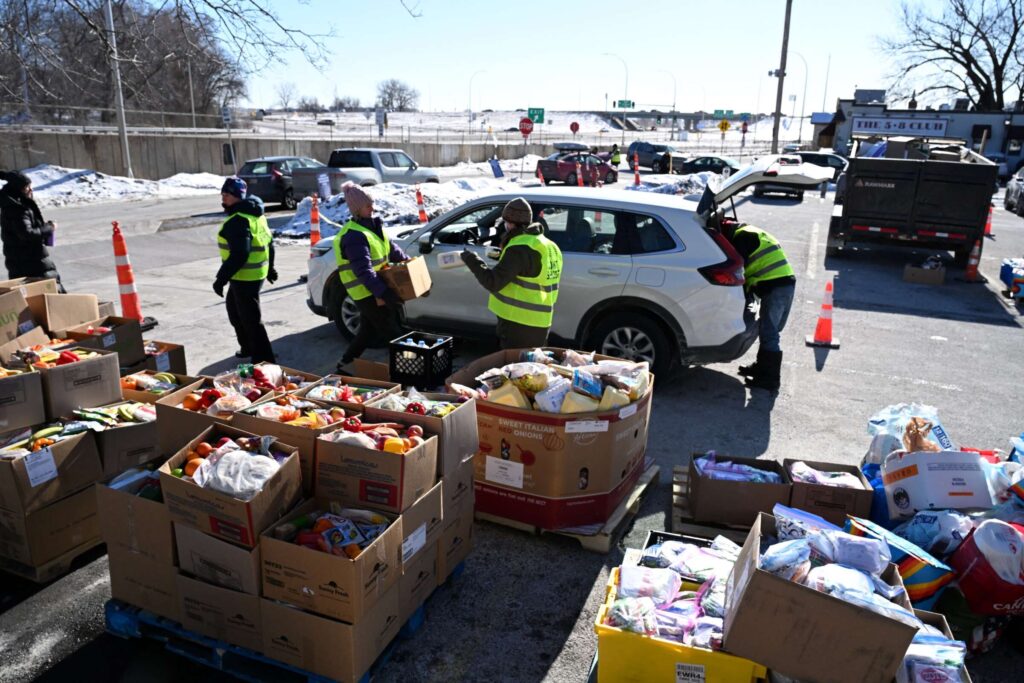
Roberto Schmidt / AFP via Getty Images

ICE didn’t take long to find its next move, though, because the agency has never had to build anything from scratch. It already had billions in new funding, and access to countless surveillance tools: facial recognition, automated license plate readers, phone tracking, and data-sharing pipelines pulled straight from local police and DMVs across the country. And with an authoritarian, white-supremacist administration behind it that refuses to hold it accountable, ICE is more emboldened than ever–operating with zero scrutiny, free to terrorize our communities without consequences. 

Fighting Against the Why, Not the How

From Texas to Maine, communities around the country are rising up to honor the lives stolen by ICE. Vigils and actions are being organized to share space to mourn, to remember, and to make one thing clear: our fight isn’t over. People everywhere are stepping up to defend their loved ones, protect their neighbors, and keep their communities safe. But even with the recent shootings drawing national attention, much of the conversation is stuck right where it’s always been: on the tactics. What’s missing is the harder conversation, the one about ICE itself. 

The problem is ICE’s unchecked power, its expanding infrastructure (both digital and physical) and its culture of impunity. ICE’s violence isn’t a string of accidents that more resources or better training can fix.

We can’t ignore that this recent shift in street tactics is also happening within the context of the deadliest years on record for deaths in detention. ICE recorded 33 deaths in custody in 2025, the highest annual figure in over two decades— and that toll keeps climbing.

This week, Edwin Lopez-Cornejo, a 41-year-old Salvadoran man, died on August 1st after a medical emergency at the Delaney Hall facility in Newark, New Jersey. And last month, 29-year-old Prisciliano Trejo Ricano died on July 24th after being denied care for an aggressive leukemia diagnosis while detained at Stewart Detention Center in Lumpkin, Georgia, with family sharing he was only taken to a hospital once his condition became critical. Over 50 immigrants have died in ICE custody since Trump returned to office. It’s the design. The cruelty is the point. 

Organizers and communities have been calling to abolish ICE for years, long before it became a popular slogan adopted by candidates on the campaign trail. Even elected officials are just now starting to catch up to what people on the ground have known all along: this system cannot be reformed. But even the loudest rhetoric always stops short of winning our gente the one thing we need. We deserve the safety to go about our daily routines and the security of knowing we will make it back home. 
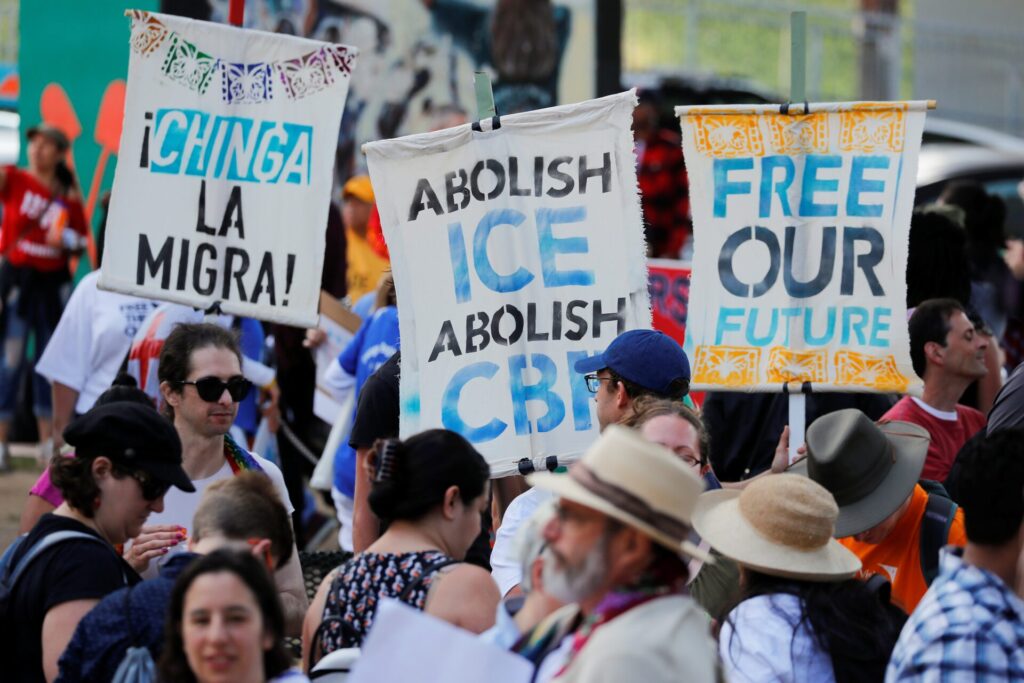
Mike Blake, REUTERS

Fewer raids showing up in our timelines, and the fact that fears of ICE arrests at massive events, like the World Cup, didn’t materialize might make it seem like they’ve pulled back completely, especially set against last summer. But they haven’t.

There’s a strategic reason for that shift, and it has nothing to do with ICE or the administration that enables it actually pulling back on the violence. 

What the World Cup Covered Up

When organizers sounded the alarm about ICE targeting stadiums, workplaces, and community gatherings in the months leafing up to the World Cup, it didn’t come out of nowhere. Trump has a track record of turning public events into stages for his anti-immigrant agenda. Consider ICE’s presence at the Super Bowl in New Orleans earlier in the year, widely publicized and used for content across DHS’s social media accounts. It was meant to push the idea that they were providing “security” and “public safety”, but was a failure by the administration’s own standards. 

The presence during major sporting events fits a pattern we’ve seen play out since Trump took office– this administration thrives on theatrics because they know that’s what drives fear. But with the global spotlight on the World Cup, Trump’s ego couldn’t handle the backlash of a botched operation under international scrutiny. 
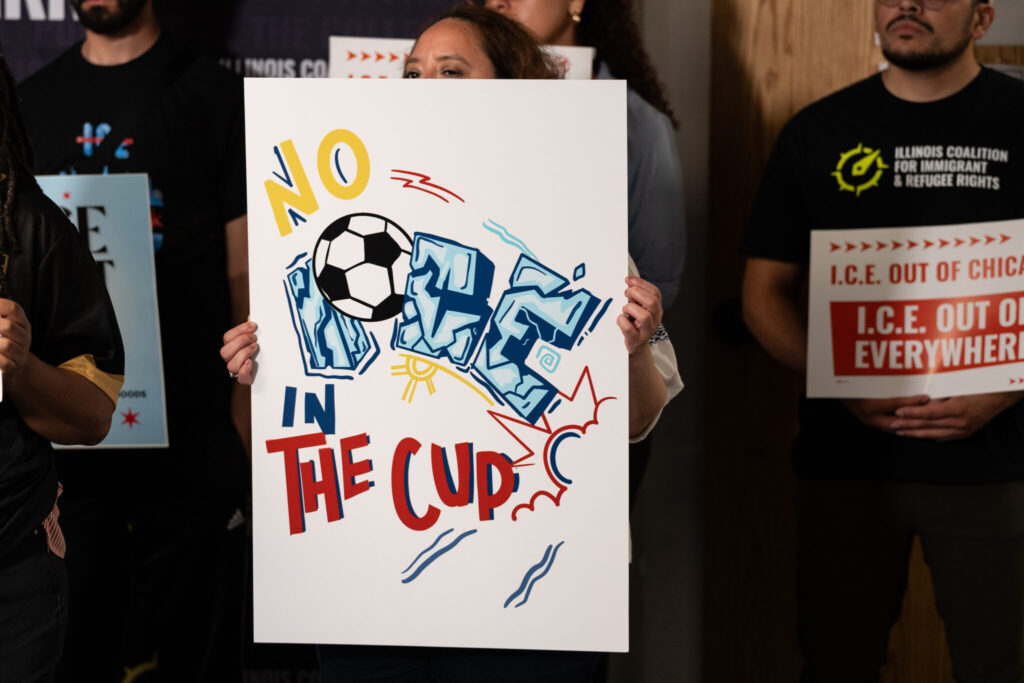
Max Herman/Borderless Magazine

The administration’s choice to avoid high-profile stunts was absolutely a strategic one. It played the systems that control the topics and narrative, calculating exactly when and where ICE could afford to make their moves in the shadows. While the cameras stayed fixed on host cities’ stadiums, ICE ran its deportation machine full force everywhere else, ramping up its arrests and violence in neighborhoods across the country. 

While we didn’t see the news break about massive raids, enforcement started to ramp back up just as the final matches of the World Cup were being played out. In the first two weeks of July, ICE was on track to arrest the most people in a single month at any other point in this administration, consistently doubling their daily arrests numbers over and over again to meet their detention quotas. 

To fight back against the deportation machine, we need to know what’s coming. ICE isn’t slowing down, and as long as they can operate unchecked, their violence is only going to escalate. 

The Net That Keeps Widening

As ICE shifts its tactics, it is also widening who it targets. In late June, the Supreme Court ruled 6-3 to let the administration strip Temporary Protected Status (TPS) from roughly 350,00 Haitians and thousands of Syrians, tearing away over 16 years of protection in a single ruling and leaving hundreds of thousands of people now suddenly vulnerable to deportation. 

Leading up to the decision, courts had already found that the administration skipped the necessary legal review Congress requires before officially ending TPS. Even at the highest court of law in the US, proper procedures are being violated with little to no consequence. 
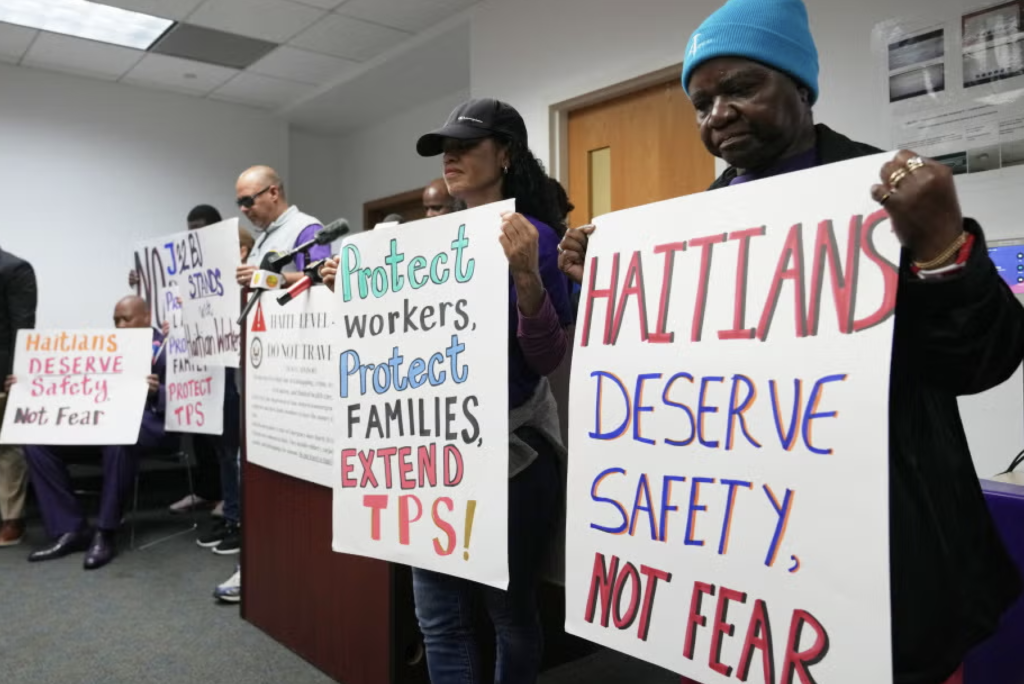
Lynne Sladky, AP Photo

With this recent TPS decision, this administration is weaponizing the Supreme Court to expand who it can detain and deport. And it’s fueled by a xenophobic and white supremacist agenda aimed at destroying Black and brown communities. 

That’s what the tactics are evolving into: no matter who’s protection gets stripped next, the pattern will be the same: finding a new legal lever, pulling it quietly, and letting ICE take over the rest. 

Silence is Not Safety

We must remain on our guard: Fewer viral raids don’t mean ICE has slowed down. It means they’re adapting their tactics and moving in ways that are harder to notice, harder to document, and harder to fight back against. 

For so many of us, the work never stopped. Rapid response networks kept mobilizing, mutual aid hubs kept families and community members supported, and organizers stayed prepared for the next wave. We know that the shift away from large-scale raids never meant less harm and violence, just fewer headlines. And if over ten years of organizing together as a political home has taught us anything– through protests, hearings, meetings, and every place we couldn’t afford to give up– it’s that the system never lets up. It just evolves, and the strategies behind our resistance have to evolve just as fast, if not quicker. 
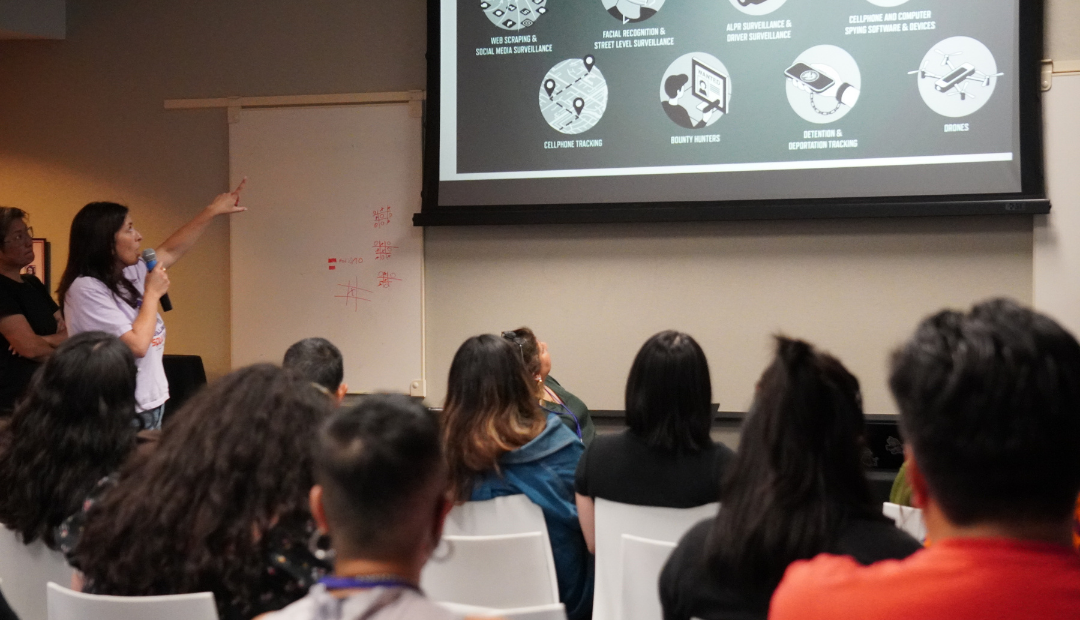
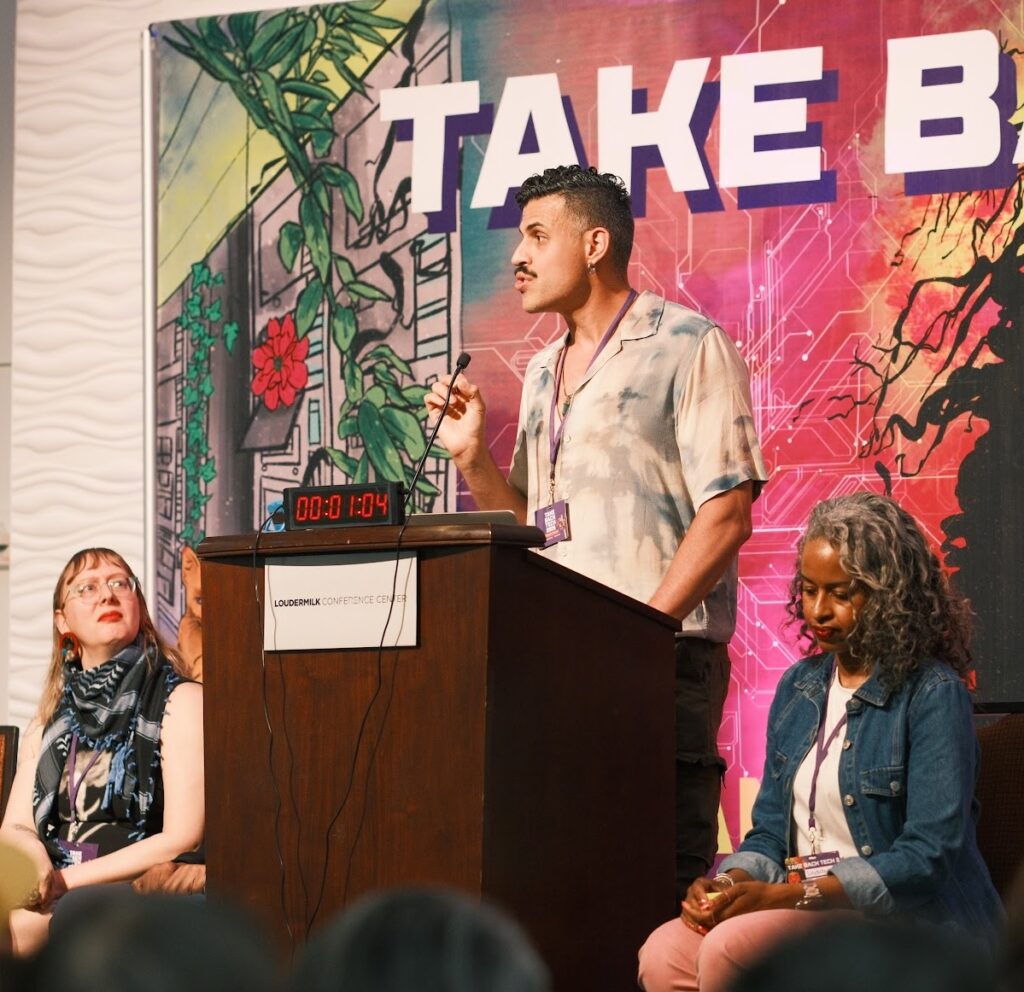
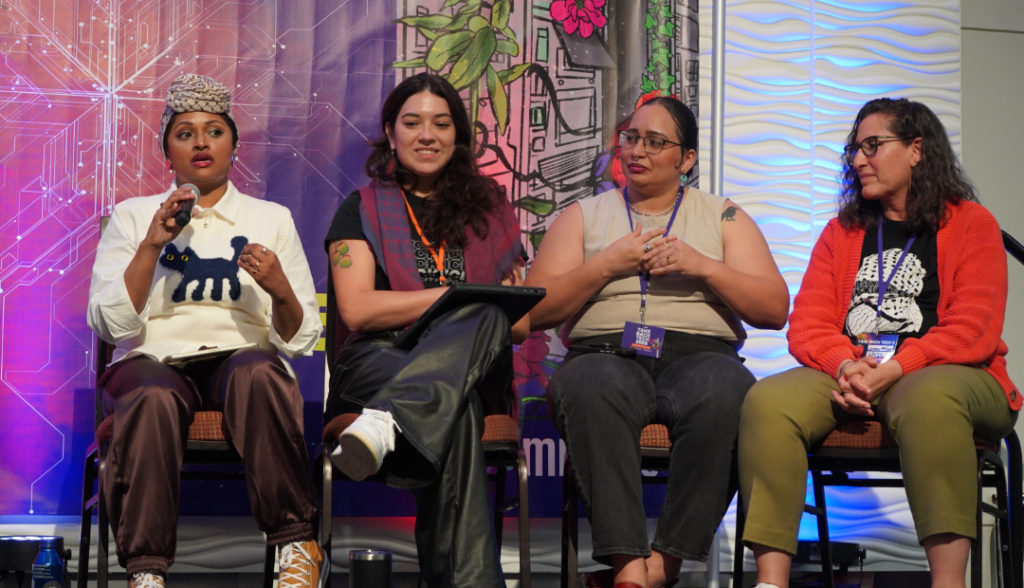
Mijente and MediaJustice host Take Back Tech 3 in Atlanta, April 2026

That’s why we’re building toward a deeper fight. Because we can’t fight back against what we don’t understand. We released our latest report “The Tech Behind ICE: Oligarchs, Enforcement, and the Threat to Democracy” alongside Just Futures Law and Surveillance Resistance Lab to expose the technology fueling the deportation machine. Hundreds of compas from across the country joined our webinar where we broke down key findings and the role Big Tech is playing in targeting, surveilling, and deporting our gente. And soon, we’re launching a series of No Tech for ICE Asambleas across the country to connect with community members, organizers, students, workers, and advocates to build  for the fight ahead. 


The three lives lost to us this month in the streets– Lorenzo Salgado Araujo, Joan Sebastian Duran Guerrero, and Juan Jairo Coronilla Durán– are a reminder of what’s at stake. They were beloved sons, fathers, neighbors, friends– and people who showed up every single day for the families depending on them. They deserved to live full lives: to raise their children, to thrive in their communities, and to build the futures they were working toward. Nothing can ever bring back what was taken. But we owe it to them, and to everyone ICE targets next, to fight harder, to organize stronger, and to keep advocating for a world where our gente are safe, free, and able to live without fear.
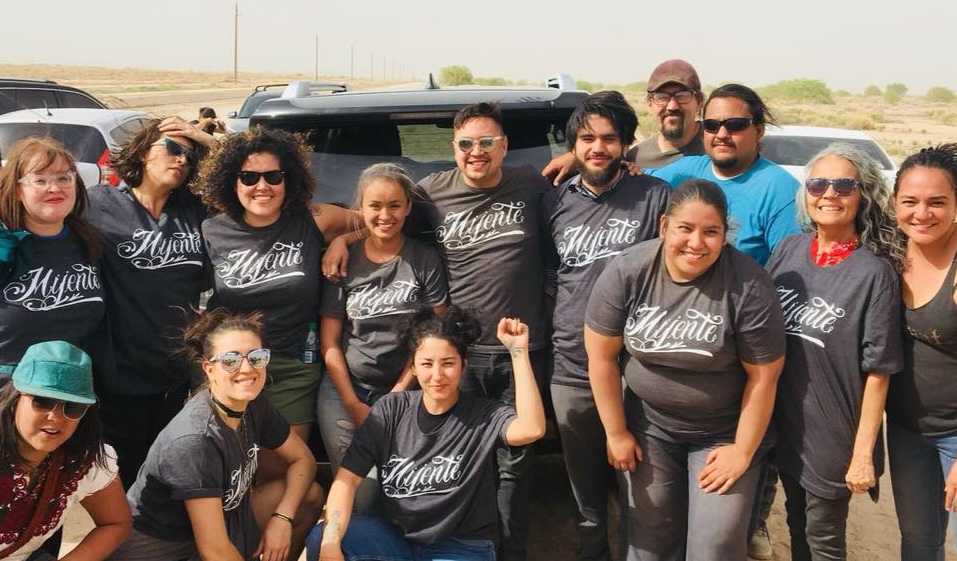
ICE’s tactics keep changing. Our commitment to each other and to defending our gente doesn’t. 

We’ve taught each other how to fight, how to resist, and how to hold onto the truth that our collective power will always be stronger than any system of violence we’re up against.


We know that organizing against ICE violence under white supremacy, capitalism, and so many other systems of harm takes a toll on our bodies and minds. Please consider checking out the Tending to Your Nervous System Care Practices Guide, created by our compas at the Latinx Therapists Action Network, as a free tool to support you (and your compas) in this fight.

La Copa Mundial Belongs to the Fans, Not ICE

The World Cup is supposed to be a moment of joy. It’s one of the few times the energy shifts and we all come together. We gather with our families and compas in packed living rooms, our favorite neighborhood bars, and stadiums to support our soccer teams. For those of us who grew up loving fútbol, we see our pride, culture, and resilience reflected on a global stage.

For the Love of The Game

The World Cup has always meant something deeper for our gente. Our communities built fútbol into what it is today. On dirt roads, empty lots, and crowded public parks– we’ve made the game our own with whatever we had and whoever was around. Soccer is a game that reminds us where we come from and connects us to those we love, even across borders. 

For the first time in history, the World Cup will be played across an entire continent, with 104 matches happening in 16 host cities across Canada, Mexico, and the United States. It’s a historic and monumental moment, a celebration of the beautiful game. 

But here in the U.S., that joy is already being put under threat. While the rest of the world prepares to cheer, Immigration and Customs Enforcement (ICE) is preparing to show up. 

The Danger ICE Poses

DHS has publicly announced that ICE will be a part of “security efforts” at World Cup soccer matches. They claim that ICE agents will help keep things “safe”, as if the last year (and decades before it) haven’t already shown us what ICE’s version of “safety” looks like. We’ve watched them tear our families apart, raid our workplaces without warrants, and detain our children— like in the case of Austin goalie Luis Fernando Chavarria, who played on his high school soccer team and is now sitting in detention after being stopped for an expired registration sticker on his way home from his late-night shift at a local fast-food restaurant. Safety isn’t what they do— they’re in the cruel enterprise of destabilizing our communities. What they do is create fear— in our homes, on our commutes to work, and now even in our moments of celebration. 

REUTERS/Jim Vondruska (December 17, 2025)

We know what ICE’s real purpose is. Their idea of “keeping things safe” has always meant the harassment, surveillance and incarceration of the very communities that make this country– and this sport– what it is. From the raids that target workers trying to provide for their families to the detention centers like Dilley where children and families are held under dehumanizing conditions ( for months, ICE’s brutal record speaks for itself, with new instances of failure seemingly popping up anywhere they arrive.

ICE’s Pattern: Arrive, Dis

During the partial government shutdown that left TSA workers without paychecks for 44 days , ICE agents waltzed into airports all over the country. Instead of stepping in to address the chaos at understaffed security checkpoints, our timelines flooded with updates from travelers showing idle agents strutting around aimlessly, posing for cameras when noticing them and refusing to answer what their actual contributions were when confronted by travelers in between gates. Lines still stretched for hours, entire families were missing flights, and the whole system was hanging by a precarious thread. 

U.S. Immigration and Customs Enforcement, “ICE At Super Bowl LI” (February 2026)

And let’s not forget the Super Bowl. ICE showed up there too– not to protect anyone or handle real security threats, but to stage photo ops, much like last July’s showy publicity stunt in L.A.’s MacArthur Park. They propped up agents in for shiny hi-res shots near the Levi’s Stadium in California,pushing their narrative with tax-payer funded stunts designed to flex their power. 

Now, they want to do the same during the largest soccer matches of the year, when they know the eyes of the world are on them.

The pattern is loud and clear, and we see right through it. ICE shows up, flexes for the cameras, snaps photos for social media, and calls it “security” while offering nothing. What they do succeed at is creating fear. This is a fear that makes workers hesitate to show up, families second-guess leaving their homes to join their local watch parties, and whole communities feel like we don’t belong in the spaces we built. 

It’s the same tactic ICE uses again and again: show up, disrupt, spread fear. But we’re resisting that. 

Soccer For and By the People 

At the heart of our fight to keep La Copa for our communities are the workers. They are the force that makes every single soccer match possible. The workers who clean and prepare the stadiums, staff the hotels, serve the food, and more. They keep everything running behind the scenes and are the backbone of this historic moment. Without them, there is no World Cup. 

For workers, even the thought of ICE nearby creates a crushing pressure to reconsider everything. Imagine heading to a shift, trying to do your job, but the back of your mind is filled with doubts. You wonder if the next knock at the door, or unexpected interaction, could be the one that changes everything and uproots your family’s life. 

For some, the fear becomes too much. They skip shifts, lose pay, and put their households at risk because the stakes are just too high. And for those that do clock in, the fear still lingers– it follows through every step of their shift. Speaking up about unsafe conditions, low pay, or exploitative bosses is already hard for working folks just trying to survive. But when ICE is in the picture, it becomes almost impossible. It’s exactly what these agencies are counting on. Fear that traps workers in silence and leaves them afraid to demand the dignity and protections they deserve. 

The Workers are Leaning into their Power

Just like we’ve seen across movement history, in our own neighborhoods, and in every single space where our people have been pushed down, workers are rising up. They are organizing, fighting back, and refusing to let this moment pass by. 

In host cities across North America, workers are refusing to accept that FIFA’s profits should come at the expense of their safety and dignity. In Los Angeles, UNITE HERE Local 11 workers at SoFi stadium (where private suites are going for 200k per match) have affirmed that they’re prepared to strike if ICE is present. They’ve also publicly challenged FIFA’s intrusive accreditation process, which forces workers to submit their personal data with no protections against misuse or a non-sharing agreement with agencies like ICE. 

Frederic J. Brown/ AFP (May 18, 2026)

In Miami, labor unions are demanding what they’ve called a Labor Peace Agreement, calling for fair wages, safe conditions, and mental health resources. They’re also pushing for local hiring for the seven matches the city is set to host, including the Bronze Medal game. In Atlanta, labor groups and community advocates are calling for investments in affordable housing, investment in infrastructure, and a commitment for local leadership to strengthen policies standing against ICE.

Al Diaz, Miami Herald (April 14, 2026)

Meanwhile in Mexico City, teachers are planning strikes during the tournament to demand long-overdue reforms to pensions, fair wages, and the education system. And to the north in Toronto, TTC maintenance workers are pushing for fair wages and better schedules. They know that thousands of tourists and visitors will rely on their labor maintaining the public transit system to access matches. 

Across every single host city, the message is clear. Workers and their community allies will not let this massive tournament profit from our cities without demanding dignity, backed by actual protections and not just empty rhetoric. While FIFA is expecting to generate $13 billion at the close of the four-year cycle that closes with this World Cup, those profits will not come at the expense of our gente. 

Es Nuestra Copa

The World Cup was never meant as a place for fear, and juntes, we are refusing to let it be.  Moments like this should exist to uplift the hope, pride, and unity that fútbol brings to so many of us around the world. It should be a place where all fans get to revel in the extraordinary talent on the soccer fields. Right now, reckless agencies like ICE and corporations putting their profits over people want to take that away from us. They want to make us believe that even in the spaces that would not exist without us, our belonging is up for them to decide. 

But workers are standing up to say otherwise. Unions, organizers, and workers are showing up and showing out to remind everyone, especially ICE and FIFA, who this tournament really belongs to. It belongs to the people. To the workers who power it. To the fans and communities who’ve built the game from the ground up. It belongs to us. 

Jae C Hong/AP (May 1, 2026)

The resilience, solidarity, and creativity on the streets and online that we’ve seen leading up to the official kick off have been amazing. And it’s shown us one thing loud and clear. We can’t back down. This is the time to meet our people where they’re at, organize, and win what we deserve. 

If you’re ready to plug in, there’s a space for you in Our Copa campaign. Check out our digital hub where you’ll find everything you need to host a watch party, rally your crew, and rep your team while building power for our communities. 


Ojo: We stand for the dignity of all workers (unionized or not) because every bit of labor that keeps our communities moving deserves respect and protection. This includes our street vendors who hustle day in and day out to feed us, even in the face of criminalization and harassment. Street vendor labor is labor, from our fruteros to eloteros to the hot dog vendors firing up their grills in stadium parking lots as fans make their way home. 

Their labor is just as essential as any other, and their fight for dignity is part of the broader lucha to protect all workers who are undervalued and exploited. From the streets to the stadiums, every single worker deserves safety, respect, and solidarity– no matter if they clock in or not. 

Stay tuned for an upcoming blog post where we’ll highlight ongoing efforts to protect all workers that make our sporting events what they are. 

Take Back Tech with Joy and Resistance

For years, we’ve seen how tech is being weaponized against us and the people and places we love. With every single new Flock camera that goes up, with every Ring commercial on our TV’s serving us surveillance as “safety”, and with every single Meta-owned app tracking our every move in real time, tech is being used to control, displace, and harm us. 

While our communities deal with the consequences, tech oligarchs like Peter Thiel, Sam Altman, Elon Musk, and Jeff Bezos grow richer by exploiting our data, extracting from our natural resources, and partnering with law enforcement from local police departments to federal agencies (like ICE and DHS) to expand their power/empires. 

But we also know that the communities most harmed by these systems also hold the solutions to this crisis. That’s why we came together for Take Back Tech III: to strategize, resist, and build toward a future where tech serves the people, not corporations or the state.

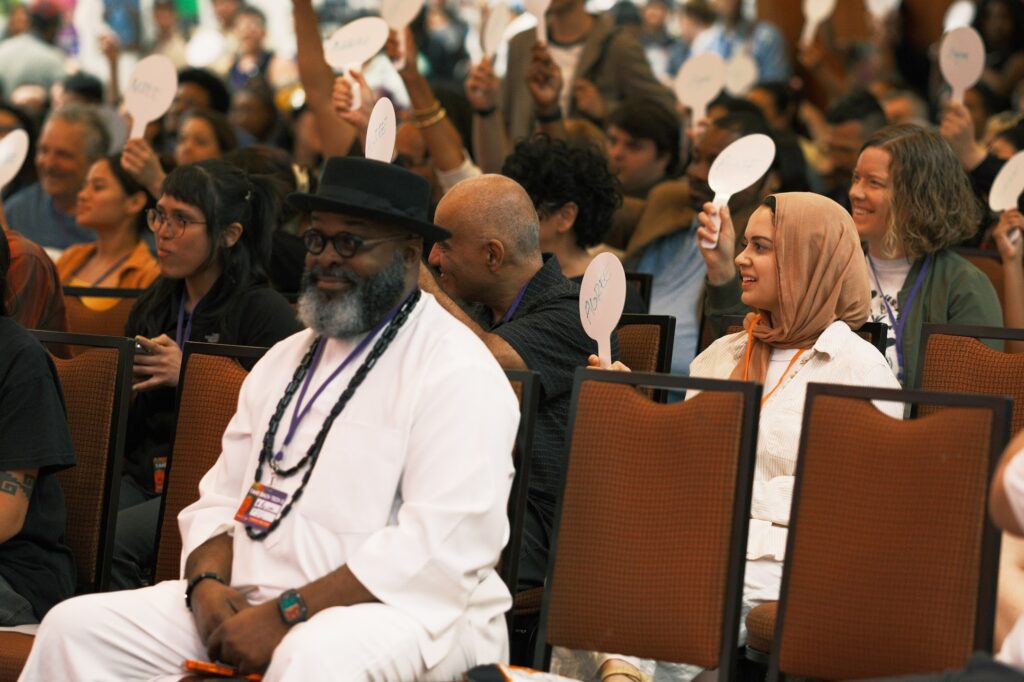
From April 17-19, MediaJustice and Mijente hosted hundreds of participants in Atlanta for three days of plenaries and workshops. It was a powerful weekend bringing together folks from all intersections in the fight for tech justice: organizers, tech workers, academics, and students.

Bringing Our People Together for Tech Justice

This was our third Take Back Tech, building on previous gatherings in Chicago (2024) and San Jose (2019). Each year, our convening grows, as does the urgency of our fight.

 In 2026, Take Back Tech III included: 

  • Over 550 attendees from key cities in the fight– including Atlanta, Minneapolis, New York City, Philadelphia, Los Angeles, and Chicago. 
  • Nearly 200 Solidarity Fund recipients, ensuring accessibility for those on the frontlines most impacted by the harms of Big Tech
  • A waitlist of 100+ people, a clear sign of how necessary and urgent our collective fight is
  • 3 plenaries, 1 panel, 1 debate, 36 workshops, and 40+ presenters, each sharing critical insights, tools and strategies to confront the tech oligarchy.

Atlanta showed us the power of bringing our people together. Here’s what the weekend looked like, along with some key themes that we’re taking on for present and future organizing

Friday, April 17th – Day 1 

Before officially kicking off Take Back Tech, we joined folks from Fight for the Future and the Atlanta community to confront Flock right at their doorstep. Flock and other ALPR companies have turned our communities into surveillance zones– tracking our cars, travel, and movement– and handing our data to police, ICE, and other corporations using it to turn a profit. We came together to make it clear that as much as Flock claims it’s about promoting public safety, we see the harm it brings to our Black and Brown communities, and we’ll always continue to demand better for our neighborhoods.

Life-Based Organizing for a Brighter Future

After the protest, we gathered to officially kick off the weekend. Wanda Mosley from Black Voters Matter grounded the space with the urgency of the moment, connecting the fight against Big Tech to Atlanta’s decades-long legacy of resistance. We were also joined by Marcus Briggs Cloud, member of the Muskogee tribe, who led us in song and reminded us why we were there– to honor the ancestors who came before us, to confront the challenges we’re up against today, and to fight for the future our communities deserve. 

Then, our opening plenary was led by MediaJustice Head of Programs Jacinta Gonzalez and featured award-winning New York Times best-selling author Naomi Klein. The conversation centered on how in end-times fascism, concentrated power exploits catastrophe for profit. Klein opened by reading an excerpt from her upcoming book, End Times Facism and the Fight for the Living World, co-written with Astra Taylor and set to be released in September later this year.

Throughout the conversation, Klein spoke to the connections between modern day tech and facism, Gaza and the normalization of genocide, and why she calls today’s tech broligarchs (like Elon Musk and Mark Zuckerberg) “traitors to creation”. She also reminded participants of our connected fights and what our movements need to build to meet this moment.

I see people bringing so much heart to this organizing, and reaching their arms out to neighbors that might have voted for Trump even. And I take tremendous hope in the outrageously incredible organizing that happened in Minneapolis. ….We need to fight for policies that make it easier for people to be their best selves. And what we know is that when people have that feeling of tremendous scarcity it’s easier to turn them against the person who has less than them.

Naomi Klein

Big Tech and Data Center Fights

Then, we transitioned into our “The Race for Our Future” panel featuring frontline organizers KeShaun Pearson (Memphis Communities Against Pollution), Jorge Lopez (Movimiento Socioambiental Comunitario por el Agua y el Territorio), Gina Mangham (Renew DeKalb) and KD Minor (Alliance for Affordable Energy). Together, they broke down their fight back against data center expansions from Memphis to Chile and how Big Tech’s AI race is devastating our communities, polluting our neighborhoods, and harming our environment– all while driving up our utility bills. 

But we know that we have the power, the numbers, and the energy to win. It’s like KD shared about data centers

[This work] is actually not really siloed, y’all. It’s just so much happening at one time that it feels that way, and that’s by design. That’s by design – they are trying to overwhelm us. But clearly they’re not doing a good enough job.

KD Minor, on data centers

Friday night wrapped up with powerful energy and connections as folks greeted each other, exchanged stories, and found common ground in their shared struggles and wins back home. 

Saturday, April 18th – Day 2

On Saturday, we gathered again at the Loudermilk Conference Center for a packed day of plenaries, workshops, and building collective power. The morning began with our “TechnoFachos: How Tech Power Became State Power” plenary, moderated by movement strategist Ash-Lee Henderson and featuring Marisa Franco (Mijente), Dr. Safiya Noble (Center for Race and Digital Justice), and Gil Durán (Nerd Reich Podcast). This panel peeled back the curtain on how Big Tech has fused with state power, feeding off the anxiety and anger of people who are tired of the status quo and asking “¿Quién me robó el futuro?”.

We can see clearly that the ones stealing our futures are doing so for their own profit and gain. The conversation covered how the technologies being deployed against us are built for domination and extraction, and how it’s on us to step up and resist. From organizers to academics to media makers — we all have a role to play in taking down these TechnoFachos.

After our plenary, the morning workshops kicked off, focused on equipping participants with the tools, strategies, and grounding needed to confront Big Tech’s takeover in their communities. Participants dove into sessions like: 

  • Building Tech Worker Power Against Technofascism — from Gaza to Minneapolis
  • Purge Palantir – A Campaign Strategy Workshop on Fighting the Surveillance Giant
  • Say What?: Narrative Listening Against Big Tech
  • Fighting Tech Enabled Genocide Through a Strong Inside/Outside Game

Joy and Empowerment as Resistance 

After breaking for lunch, participants gathered for a mid-day grounding led by Egun Omode, a West African dance, drum, percussionists, and Yoruba folklore performing arts collective. 

We kept the energy going with afternoon workshops that got real about how tech violence fuels the disasters we face today, and how we fight back. The second half of our day featured workshops like:

  • Who’s Behind ICE: The Militarized Police State Driving Tech-Fueled Authoritarianism
  • The Deadly Tech Exchange: How tech companies are fueling genocide and ICE violence, from Gaza to Detroit to New Orleans
  • If You’re Fighting Data Centers, This Room is For You 
  • Get the Flock Out: Case Studies and a Strategy Clinic on Fighting

The AI Question: A Movement Debate

As we came back at the end of the day, we closed with “The AI Question: A Movement Debate”, where organizers on both sides wrestled with one of the biggest questions of our time: can AI really be reclaimed for people power, or should we disengage/abolish it entirely? We were joined by timekeeper Lindsay Harper and speakers Aasim Shabazz, Adrian Reyna Chavoya, Sasha Constanza Shock, Josue Guillen, and Janet Vertesi facing off against Sarah Hamid, Edith Romero, Vero Moreno, and Jumana Musa. 

The room was charged with energy and camaraderie as the debaters exchanged ideas and perspectives. Some spoke to the difference between AI as an industry and AI as a tool. Others pointed out how, no matter any benefits, the influence of Big Tech and for-profit actors leads to corruption. Everyone collectively grappled with the future of AI in our movements and what a just path forward can look like. 

We ended our second day together at the historic Curb Market (also known as the Sweet Auburn Municipal Market), where participants came together for music, games, and to keep building community with each other. Fellow conference attendees showcased their work alongside Atlanta vendors offering art, handmade goods, and other must-haves. 

It was a powerful way to spend time together outside of our meeting spaces– sharing good bites, experiencing the heart of Atlanta, and building relationships with compas old and new rooted in joy and connection.

Sunday, April 19th – Day 3 

Our final day began with our final round of workshops. The sessions dove deeper into how individuals can expand community knowledge and organizations   

  • NoTech for ICE Strategy Session
  • Alternative, Autonomous, Communications – The Portable Network Kit (PNK)
  • Rewriting the AI Narrative: From Paralysis Towards Radical Imagination
  • Building Worker Power Against the Tech Oligarchy

We closed with our last plenary of the weekend, “The Story They’re Selling (And What We’re Building Instead)”, featuring Justin Hendrix (Tech Policy Press), Andre Brock (Georgia Tech University), Ariella Steinhorn (Hard Reset) and Cayden Mak (Block and Build Podcast). Panelists dismantled Big Tech’s false narratives and lifted up the work already happening on the ground to fight back and create systems that actually focus on centering community care and liberation. 

As folks headed home, we ended the day with a special offering for compas still with us in Atlanta– a private screening of The Ghost in the Machine, a Sundance film diving deeper into how the roots of machine learning have paved the way for the systems of abuse we’re up against now. Director Valerie Veatch joined us for an interactive Q&A, where participants were encouraged to engage in conversation about the film’s lessons and their own work back home.

Making Our Demands Loud and Clear

This year’s Take Back Tech broke records. We brought together over 550 participants, with another 120+ on the waitlist. Every single compa who joined us was eager to be in the room, strategizing and building alongside other compas in our shared movement. The urgency of our political moment echoed across every single plenary, workshop, and conversation. From AI-powered surveillance that fuels deportations across the country, to data centers displacing our neighbors, the ever-growing threat of the tech oligarchy underscores exactly why our fight is more critical than ever. 

Hundreds of participants, from big cities to rural communities, left feeling inspired and ready to use the strategies, tools, and lessons learned back to our organizing spaces and inform our local fights. 

Our Present and Future Tech Wins

Techno-fascists continue to exploit our data, displace our people, destroy our ecosystem, and profit off of the harm they cause. We must continue to step up, fight back, and defend our communities. We are building toward a liberated future that serves us and centers tech justice for all. 

We’ve seen the power of our collective resistance. In total “$64 billion of data center projects have been blocked or delayed amid local opposition”, according to Data Center Watch. Here are a few we’ve tracked: 

Together, we continue to show that the fight for tech justice is rooted in our people, our communities, and the collective power we build when we come together. That’s what Take Back Tech is all about.


Note of Thanks 

As we reflect on this powerful and moving weekend together, we want to extend our deepest gratitude to everyone who made it possible. From our welcomers, grounders and performers, who helped keep us centered, to the Loudermilk staff who kept us fed and made sure we had the space to gather, to the dozens who contributed to our Solidarity Fund and helped make this convening accessible– your support powered so many of the vital conversations we had, relationships we built, and organizing we’ll continue. A special thanks as well to the Ghost in the Machine team and to director Valerie Veatch for joining us in dialogue. 

22 Books We’re Reading on Latinx Identity & Resistance

In this political moment, BIPOC, queer, and trans voices serve as vital archives of visibility, social justice, and resistance. We find ourselves surrounded by right-wing extremism, capitalism, and an empire that seeks to dehumanize us. But these writers that we are pleased to spotlight counter the dystopia we are living in with narratives that affirm life, history, agency, and identity.

These notable books highlight for us the intersections of identity, displacement, and survival. They explore themes of migration, colonial legacies, queerness, grief, and belonging, leveraging language as both weapon and refuge. Some writers conjure speculative futures and autobiographical memory, while others confront present-day violence with scathing condemnation.

Their narratives expose the fractures of oppressive systems while offering us blueprints for collective survival, transformation, and joy. Bringing together diverse voices, these books serve as collective testaments to resilience and community. They amplify the lived experiences of Latinx, Black, Xicana, queer, disabled, working class, and undocumented writers, weaving together personal and political narratives. 

From reclaiming ancestral knowledge to envisioning utopian futures, these collections showcase the power of art, archives, and poetry as tools for radical hope and socio-political transformations.

Don’t miss the chance to support these incredible writers and their powerful work!

Poetry Collections

1. Brava by Violeta Garza
“
A fierce, stunning, and beautiful exploration of courage, bilingualism, and comadre friendship with a Juan Gabriel and Ana Gabriel soundtrack in the background.”

2. The Restlessness of Bound Wrists by Jorge Antonio Renaud
“
Poems by a Texas community organizer that defy incarceration of the body and soul, weaving resilience through resistance poetics.”

3. the past is my jean jacket by Cloud Delfina Cardona
“
Memory and identity wrapped in the comforting, worn fabric of a tía-shaped ode and poetic reflection and longing.”

4. Black Mestiza by Yael Valencia Aldana
“
A lyrical reckoning with heritage, resilience, and the powerful roots of self.”

5. Where Heaven Sinks by María Esquinca
“Poems that move through El Paso/Juárez borderlands, grief, and survival, naming hard truths with sharp images and emotional honesty.”

6. This Is My Body by Jonathan Fletcher
“
A refreshingly short, soft, and unflinching journey into the contested terrain of the body and the sacred.”

7. Startlement by Ada Limón
“
A radiant blend of previous work and new poems from the U.S. Poet Laureate.”

8. Bilingual Bitch by Angelica Davila
“
Language, history, and cultural collision in a bold, unfiltered poetic voice.”

9. Diarios Pizarnik by Pizarnik Diaries by Alejandra Pizarnik
“
Expanded diary-poems revealing the fierce interior life of an Argentine icon.”

10. topography of a border / line bird by Juania Sueños
“Perfectly described as a ‘dreamlike cartography’ of self and borderlands that reassembles the torn and tender.”

Other Genres

Like a Hammer: Poets on Mass Incarceration – edited by Diana Marie Delgado
“
An urgent anthology of poems confronting prisons, power, and human cost.”

Archive of Unknown Universes by Rubén Reyes, Jr.
“
A genre-blending novel where the speculative and the real collide following two families in alternative timelines of the Salvadoran civil war.”

Xicanxfuturism: Gritos for Tomorrow, Codex I – edited by Scott Russell Duncan
“A futurist sci-fi anthology packed with art, stories, poems, comics, essays, and unapologetic Xicanx, Spanglish swag.”

Curtains of Rain: Cortinas de Lluvia by Anel I. Flores
“
A vibrant coming-of-age story of queer identity and resilience in the Texas borderlands.”

The Fib: An Allegorical Tale About the Consequences of Lying by Pedro Iniguez
“A playful ‘children’s book’ story where one small lie spirals out of control, showing how dishonesty can grow bigger than we expect.”

Brother Brontë by Fernando A. Flores
“
A dystopian Texas tale where literacy becomes a revolutionary act.”

This Is the Year by Gloria Muñoz
“
YA sci-fi/fantasy weaving community, climate crisis, and self-discovery.”

The Broposal by Sonora Reyes
“
A heartfelt romance where love and immigration intersect.”

The Pink Agave Motel by V. Castro
“
Short stories steeped in Mexican folklore and uncanny encounters.”

Futbolista by Jonny Garza Villa
“
A contemporary YA about soccer, identity, and belonging.”

The Bewitching by Silvia Moreno-Garcia
“
A genre horror ride blending witchcraft and eerie, atmospheric dread.”

The Final Diadem by Gume Laurel III
“
A YA verse adventure where past-life superpowers and summer camp collide in a queer sci-fi mystery.”


Post by Osmani R. Ochoa. Ochoa is a writer, poet, and long-time organizer living in Los Angeles, California. Check out Ochoa’s previous posts on books and music here.

ICE: A Legacy of Violence and White Supremacy 

ICE is not simply enforcing immigration law – it is expanding the boundaries of state violence. 

In the last year, we’ve seen disturbing evolution of the Department of Homeland Security (DHS) – specifically with Immigration and Customs Enforcement (ICE) and Customs and Border Patrol (CBP). At the start of President Trump’s second term, they used pro-Palestine protests to target and deport student activists. Then, the targeting quickly shifted to organizers involved in the pro-immigrant movement and a resurgence of neighborhood and workplace raids. 

For the rest of 2025, we saw ICE and CBP agents push past the current policies and ethical standards. It’s important that we make it clear: ICE is not an outlier. Immigration enforcement is the legacy of the violent and ugly history of US slave patrols.

A man, whose family requested a Hmong interpreter, is detained after ICE agents and other law enforcement officers conducted an immigration raid at his home, days after an ICE agent fatally shot Renee Nicole Good, in St. Paul, Minnesota, U.S., January 18, 2026. REUTERS/Leah Millis
A man is detained after ICE agents and other law enforcement officers conducted an immigration raid at his home. Photo by Leah Millis/Reuters

As communities across the country and in Puerto Rico resist ICE, we must get real about the past, present and future. 

The Escalation We’re Facing Now

Right now, we are seeing federal immigration enforcement go from brutal to deadly. In January ICE/CBP agents killed Renee Good and Alex Pretti in separate incidents, as they were providing community defense. But these were not isolated cases. Six others have already died in 2026 in ICE/CBP custody, setting an alarming pace for the new year and following a pattern of death from last year.

On New Year’s Eve, an off-duty ICE agent neighbor fatally shot and killed Keith Porter Jr in Los Angeles. In 2025 alone, at least 32 people died in ICE custody, making it the deadliest year on record since 2004. Last September, ICE agents near Chicago killed Silverio Villegas-Gonzalez after he attempted to flee arrest after being followed. And it was just reported this week that an ICE officer fatally shot Ruben Ray Martinez last May in Texas, despite initial reports concealing their involvement.

It is no wonder that our communities are outraged and hurt. We can all see this is not “law and order”, this is state-sponsored violence. Anything that opposes ICE and the Trump Administration (and by extension White Supremacy) is free game for their terror. 

Border Patrol federal agents detain a demonstrator at a protest against the fatal shooting of Renee Nicole Good by a U.S. Immigration and Customs Enforcement (ICE) agent, during a rally against increased immigration enforcement across the city outside the Whipple Building in Minneapolis, Minnesota, U.S., Jan. 8, 2026.
Border Patrol federal agents detain a demonstrator at a protest against the fatal shooting of Renee Nicole Good by an ICE agent. (Photo by BLAKE FAGAN/AFP via Getty Images)

Notably, this week ICE and CBP’s actions are under scrutiny in Congress, leading to a pause in funding and government shutdown of the DHS on February 14th. As we look at what the next year of ICE and CBP will bring, it’s clear that the Trump Administration is leading with violence, suppression, and fear.    

This Is Bigger Than ICE 

ICE is a descendant of violent systems, like  slave patrols, boarding schools, Jim Crow law enforcement, and political policing. Immigration enforcement is deeply embedded in the racist, white supremacist foundation of the United States. Like their slave catcher ancestors, ICE and CBP disregard human rights to uphold systems that benefit the rich and powerful.  

Our motivation to get rid of ICE is only the first step: It is a critical one that exposes centuries of cruelty from the Trail of Tears to today. We must use the current moment to keep fighting and build momentum, but we must not lose focus.

The criminalization, the expanding budgets…it’s not just about immigration policy or border enforcement. Their violence and disregard for human dignity reveals the true nature of ICE. This is about the power to decide who is treated as fully human — and who is not, in this country and beyond. Because right now we are seeing two sides of the same coin. 

ICE’s White Supremacy Toolbox

Last year, we shared how the Trump Administration use deportations as a tool against immigrants and dissent. Now, it’s obvious that enforcement is the smokescreen for MAGA’s vision of a white supremacist future. ICE’s main strategy is using repression, violence, and fear to achieve their goal. 

Similar to 2020 police tactics, federal agents use tear gas, pepper spray, and deadly force at community defense gatherings and protests. They’re escalating intimidation against legal observers and even targeting elected officials who take actions against ICE arrests. 

MINNEAPOLIS, MINNESOTA - JANUARY 13: ICE agents detain a woman after pulling her from a car on January 13, 2026 in Minneapolis, Minnesota. The Trump administration has deployed over 2,400 Department of Homeland Security agents to the state of Minnesota in a push to apprehend undocumented immigrants. (Photo by Stephen Maturen/Getty Images)
ICE agents detain a woman after pulling her from a car on January 13, 2026 in Minneapolis. (Photo by Stephen Maturen/Getty Images)

And when they don’t have the legal backing for all these actions, they mold the laws to fit what they want. For example, new laws are expanding federal control, criminalizing protest, and allowing ICE to suppress dissent even beyond federal property. In real time, we’re seeing the Trump Administration systematize control and eradicate our constitutional freedoms. 

We’re not just witnessing violent enforcement, we’re watching the government deploy a racist, xenophobic political agenda through federal force.

Burnout and the Price of Showing Up

The shows of force and violence by DHS, ICE and CBP are exactly the point. They want to ensure that we’re constantly exposed to traumas that lead to PTSD and burnout. We’ve seen the toll that it’s taken on impacted communities, along with organizers and allies too. The state wants us tired and miserable. If we are afraid, complacent, and disconnected, it’s easier for them to continue terrorizing our neighborhoods. 

But it’s also why our continued resistance is so critical. From documentation and training to storytelling and mutual care: we need each other to get through this. Now more than ever we have to keep our eyes on our ultimate goals of freedom and human dignity. We are here, in the struggle and in the trenches, to build el Buenvivir for our communities – and that includes immigrants regardless of their status. 

People protest against ICE during a “National Shutdown,” a nationwide day of no school, no work and no shopping, in New York, on Friday, January 30. Photo by Eduardo Munoz/Reuters
People protest against ICE during a “National Shutdown” in New York on Friday January 30th. (Photo by Eduardo Munoz/Reuters)

We Still Have Power and We Need to Flex It 

We’ve seen tremendous resistance efforts across the US and in Puerto Rico. Organizers and community members are fighting from every corner, every space possible – sin, contra, y desde el Estado. 

Sin el Estado: We see communities creating safety nets, mutual aid, and trusted response systems.
Contra el Estado: organizers are exposing abuses, leading protests, and building public pressure.
Desde el Estado, elected officials, unions, and coalitions are pushing policies to limit ICE’s power and funding.

These actions also look like: 

Resistance is happening on many fronts, and every angle counts. It’s not one tactic, but a full spectrum response that will help us win. 

Trump’s vision of a white supremist future means agencies like ICE acting with impunity and American imperialism and colonialism as foreign policy. It means continued stripping away of our constitutional rights to gather and protest without violence. More restrictions to our freedoms of speech, protest, press and more.

Everything is connected. So much so that Martin Niemöller’s “First They Came For…” poem could be re-written for today: 

First they went after the “criminal immigrants”, and I did nothing because I wasn’t one of them. Then they went after the “terrorist students”, and I did nothing because I wasn’t one of them. Then they went after the activists and legal observers, and I did nothing because I wasn’t one of them. Then, they came for everyone, and I did nothing because there was no one left to resist.

Playlist: 25 Most Notable Songs of 2025

The most notable songs of 2025 are here, and they’re all bangers in different ways. Ranging from rap to Latin folk, reggaetón to regional mexicano, R & B to Afrobeats: this list is political, booty-shaking, poignant, and undeniably fresh. 

These are songs for survival and release, for dancing in the kitchen and screaming in the car, for grief, joy, rage, and tenderness. They soundtrack the past year and remind us that even in hard times, we are still moving, still breathing, still dancing. 

Check out the list below (and our full YouTube Playlist here!):

  1. “Sábado” by Snow Tha Product – A funny, biting banger and carne asada anthem for our family members who vote against their community’s interests, seduced by the illusion of power and the (elusive) American Dream.
  1. “Lo Que Pasó en Hawái” by Bad Bunny – Poignant and devastating, this cautionary true tale addresses colonization and displacement with urgent clarity.
  1. “La Perla” by Rosalía & Yaritza y Su Esencia – The elegant diss track we didn’t know we needed.
  1. “Thootie” by Ice Spice & Tokischa – If you’re looking to perrear and release yourself from the weight of the political moment, look no further: “Thootie” is here to be danced to.
  1. “11 de 10” by DAAZ – This one offers a boost and a reminder of how bad-ass you are, especially after a heartbreak.

  1. “DTMF” by Bad Bunny
  2. “Threat Level Orange” by Earth to Eve 
  3. “Muévelo” by Kali Uchis
  4. “Lost in Translation” by Carín León & Kacey Musgraves
  5. “#Tetas” by Ca7riel & Paco Amoroso
  6. “No Capea” by Xavi and Grupo Frontera
  7. “Wassup” by Young Miko
  8. “Anxiety” by Doechii
  9. “Ojos Secos” by Adrián Quesada & Cuco
  10. “Sick” by Xiuhtezcatl
  11. “Loco” by Neton Vega
  12. “KFC Santería” by Caín Culto
  13. “Folded” by Kehlani
  14. “Cómo quisiera quererte” by Natalia Lafourcade
  15. “La Cumbia Wepa” by Vanita Leo
  16. “On the Low” by Rico Nasty
  17. “Shake It to the Max (Fly) (Remix)” by MOLIY, Silent Addy, Skillibeng & Shenseea
  18. “Pretty & Petty” by Cardi B
  19. “Marlboro Rojo” by Fuerza Regida
  20. “Sexy Soulaan” by Monaleo

Want to take a trip down memory lane? Check out our Top Albums & EPs del 2024 or Top 25 Albums del 2023 & Most Anticipated pa’ 2024.


Post by Osmani R. Ochoa. Ochoa is a writer, poet, and long-time organizer living in Los Angeles, California.

Our Reflections on Venezuela and U.S. Empire Building

We are a political home for Latine people, shaped by many perspectives, emotions, trajectories, places, and lived experiences. Within our organization, we do not always agree. This is the case when it comes to Venezuela. The purpose of this statement is not to establish a single truth or to shut down debate, but to lay out —with political honesty— the tensions, questions, and perspectives that currently coexist within Mijente in response to the situation in Venezuela and the most recent U.S. military intervention.


We firmly believe in popular and national sovereignty. For this reason, we reject political and military interventions in Latin America and elsewhere in the world. It is the people themselves who must decide and shape the course of their nations and communities. Within our organization, there are perspectives that view the January 3rd military intervention in Caracas as the most recent act in a long history of interventionism on Venezuelan soil — one that does not occur in a vacuum or out of nowhere. It follows years of economic blockades, sanctions, and a strategy of political destabilization led by the United States, with an objective that today is expressed openly and without pretense — control over Venezuela’s oil and mineral resources — and that has nothing to do with defending democracy or human rights.


At the same time, we acknowledge the real suffering of the Venezuelan people. Venezuelans, like Latine communities more broadly, are not a monolith or homogeneous. Their experiences are deeply shaped by class, place, political history, and material conditions. This is reflected even in migration processes: different waves, different points of departure, and different reasons for leaving the country over the past decades.

This mosaic of experiences tells us something important: the political project launched at the beginning of the revolution lost its focus. Especially in recent years, it has lost its capacity to sustain dignified living conditions for broad sectors of the population. Nor can it be denied that thousands of people —workers, journalists, activists, and opposition figures— have been exiled, imprisoned, or persecuted for political reasons. 

Between external economic blockades and internal practices of repression, corruption, and concentration of power, a crisis accumulated that struck Venezuelan society in multiple ways.


Some wanted Maduro to leave. Some maintain total opposition to U.S. intervention. We can remain stuck reacting to events, fighting online, and sharing memes about whether what happened was right or wrong, or about who has the right to speak; perhaps all of that is necessary at this stage. But we cannot ignore the threat taking shape in our hemisphere. The United States has never stopped waging wars and interventions around the world, but the actions and rhetoric of Trump and his administration at this moment point to a shift in approach.

Venezuela is not an isolated case, but the starting point of a new phase of U.S. empire building — more crude and more direct. Today it is Venezuela; tomorrow it could be anyone who refuses to submit. Today, they seek more oil, more lithium, more minerals, and more energy to sustain their military, their data centers, to line the pockets of billionaires and fund their space ventures . But above all, they seek to uphold a vision of “America for Americans,” in which the wealth extracted from our territories is reinvested to strengthen a white and wealthy elite within the United States, while our peoples bear poverty, violence, and displacement.

This mode of governance is also reflected within the United States itself: the Trump administration’s disregard for laws and procedures when they stand in the way of its objectives; its threats and revenge campaigns against political leaders who dare oppose its policies; and its blatant corruption that benefits friends and those who offer the highest sums of money. That same government criminalizes, persecutes, and deports our migrant communities inside the United States. These are not separate phenomena — they are two sides of the same imperial project.

The question now is clear: what will be the cost to the Venezuelan people for the removal of Maduro, and who — which countries — will be next?


We know that many truths, many emotions, and many reasons can coexist at the same time. Unanimity is not required to sustain organization or collective association. We must seek common ground and shared interests. Our fate is linked.

A growing wave of authoritarian rule, oligarchy and imperial exploitation rises in opposition to the vision of self determination and dignity, a world that is just, solidaristic, equitable, and truly democratic. Just as we criticize the consolidation of an increasingly powerful oligarchy in the United States, we also ask whether clinging solely to state power strengthens or weakens us in the construction of that new horizon.

Speaking openly about the failures of the left is complicated and, at times, dangerous. There is often resistance to acknowledging when something has gone wrong. When has the United States ever allowed an experiment of this kind to run its course without interference? And at the same time, why offer our adversaries information that could strengthen them? These are all valid questions to deter such speak. But on the other side of those fears lies the consequence of not speaking plainly: failing to learn collectively, failing to innovate, and, worst of all, losing the trust of the people.

There is much talk about building power, but far less about how power is used once it is attained. We need conversations and practices to build and sustain organizations, parties, and movements that are effective and hold and wield power wisely and with integrity.

Only people organized in their communities, workplaces, and in the states and municipalities that still resist can confront and weaken this renewed expression of the Monroe Doctrine. From here, our responsibility is to defend the victories of our ancestors and elders and build anew.

The call from our political home today is to listen to one another, to question ourselves, and to debate collectively. This is critical in order to learn and to start again, and always, always marching on.

The old world is dying, the new one struggles to be born, and in this twilight monsters emerge.

— Antonio Gramsci

En lucha y solidaridad,
Mijente